
Sometimes it can be difficult for pet owners to tell whether a symptom is minor or requires urgent veterinary attention.
Because pets cannot communicate their pain directly, even subtle changes in behavior or physical condition may indicate a serious problem.
Knowing the warning signs early helps pet owners seek faster medical attention and reduce the risk of complications.
Common Pet Emergencies That May Require a Walk In Vet
Some pet emergencies may seem minor at first but can quickly become serious if left untreated.
If you notice any of the signs below, it may be time to visit a walk in vet in Singapore as soon as possible.
1. Difficulty Breathing
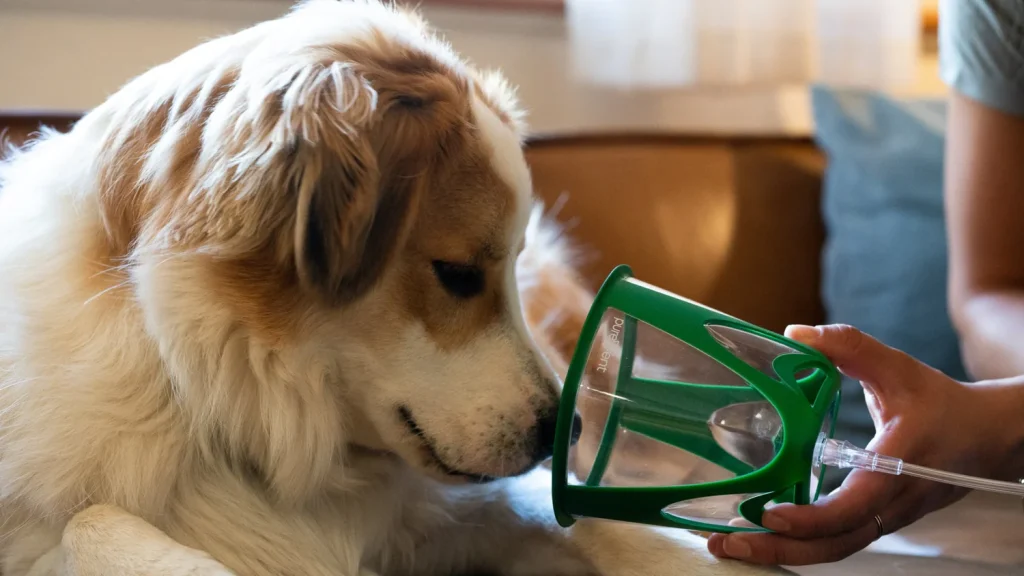
If your pet is breathing heavily, wheezing, gasping, or struggling to breathe, it could be caused by infections, heatstroke, heart problems, allergic reactions, or airway obstruction.
Breathing issues can worsen very quickly because the body may not be getting enough oxygen.
Without fast treatment, your pet may become weak, collapse, or develop life-threatening complications. Immediate veterinary attention is strongly recommended.
2. Repeated Vomiting or Diarrhea
Frequent vomiting or diarrhea may be caused by food poisoning, infections, digestive blockages, parasites, or underlying illnesses.
While mild stomach upset can happen occasionally, repeated symptoms can quickly lead to dehydration and weakness, especially in smaller or older pets.
In some cases, it may also indicate poisoning or serious gastrointestinal problems. Early treatment helps prevent the condition from becoming more severe.
3. Sudden Weakness or Collapse
If your pet suddenly becomes weak, collapses, or struggles to stand, it may be linked to poisoning, internal bleeding, heart disease, neurological conditions, or severe pain.
Some pets may also appear unusually tired, confused, or unresponsive before collapsing. These situations can become critical very quickly if the underlying cause is not treated promptly.
A walk-in vet visit is important to identify and stabilize the condition as soon as possible.
4. Loss of Appetite for More Than 24 Hours

A loss of appetite may sometimes seem minor, but it can be an early sign of infections, digestive problems, dental pain, kidney disease, or other health conditions.
If your pet refuses food for more than a day, especially together with vomiting or lethargy, their condition may worsen due to dehydration and lack of nutrients.
Cats are particularly at risk because prolonged fasting can affect liver function. Early veterinary assessment can help detect the cause before complications develop.
5. Difficulty Urinating or Defecating
Straining to urinate or being unable to pass urine may be caused by urinary blockages, bladder stones, infections, or inflammation.
This is especially dangerous in cats, where urinary blockage can become life-threatening within a short time.
Pets may cry, repeatedly enter the litter box, or show signs of pain while trying to urinate. Without fast treatment, toxins can build up in the body and lead to serious complications.
6. Seizures or Sudden Tremors
Seizures or sudden shaking may happen due to epilepsy, poisoning, neurological disorders, low blood sugar, or underlying illnesses.
Even if the episode stops quickly, it is still important to have your pet examined because repeated seizures can affect the brain and overall health.
Some pets may also become disoriented, restless, or temporarily unable to walk properly afterward. Prompt veterinary care helps identify the cause and reduce future risks.
7. Injuries, Bleeding, or Limping
Cuts, bleeding, swelling, or limping may happen after falls, accidents, fights, or rough activity.
Even when injuries look small externally, there may still be internal damage, fractures, or hidden pain that worsens over time.
Delaying treatment may increase the risk of infection, mobility issues, or long-term complications. Early examination helps ensure proper healing and pain management.
8. Swallowing Toxic Foods or Foreign Objects
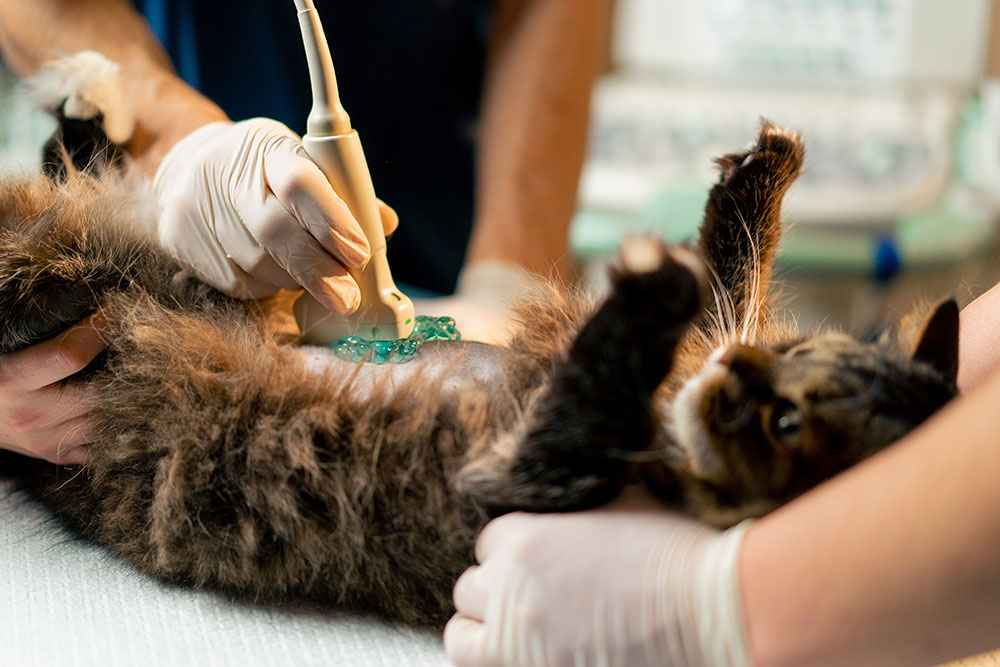
Dogs and cats may accidentally swallow chocolate, grapes, bones, toys, medications, household chemicals, or other dangerous objects.
These items can cause poisoning, choking, digestive blockages, or internal injuries depending on what was consumed.
Symptoms may not appear immediately, but the condition can worsen rapidly if left untreated. Fast veterinary care is important to prevent serious complications and improve recovery chances.
Professional & Trusted Walk In Vet in Singapore
Many pet owners worry about overreacting, but it is usually safer to seek professional advice early rather than wait for symptoms to worsen.
Early treatment may prevent complications, reduce pain, and improve recovery outcomes.
If your pet is showing unusual symptoms or signs of distress, consult My Family Vet for prompt and compassionate walk-in veterinary care in Singapore.
Visit us at 265 Bukit Batok East Ave 4, #01-403, Singapore 650265 or contact us through +65 8102 6966, our team will assist you.