Our Services
- Home
- Services
Soft Tissue Surgery
General
General soft tissue surgery refers to surgical procedures performed on your pet’s internal organs, skin, and muscles — excluding bones and joints.
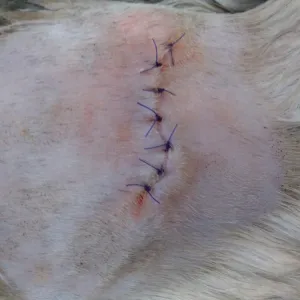
Debridement & Stitch Up
This surgery would be performed if there is an open wound that requires it to be closed to prevent it from getting infected. The wound will be debrided of any dead and/or infected tissue before it can be stitched up.
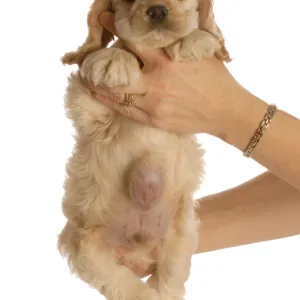
Hernia Repair
A herniation is the abnormal exit of tissue or part of an organ through the wall of the cavity that it normally resides. The most common types of herniation found in pets would be umbilical (around the umbilicus area or underside just below the ribcage), inguinal (at the inguinal canal or inguinal ring located around the groin area)and perineal (around the pelvic region). If the protruding tissues or organs get compromised of blood supply, it would be considered a strangulated hernia and surgery must be performed as soon as possible.
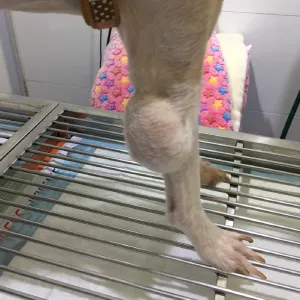
Lumpectomy
The complete removal of a lump or growth from the body. There would be a margin around the growth that would be removed together with it to ensure complete excision of the growth.
Skeletal
Orthopaedic surgery focuses on treating conditions affecting your pet’s bones, joints, and ligaments — helping restore mobility, reduce pain, and improve quality of life.
Amputation
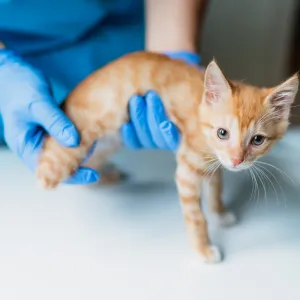
This involves the removal of a limb due to medical reasons such as trauma or illnesses. After the surgery is performed, management of the wound is important to ensure that there would be no infection of the wound or tearing of the stitches.
Closed Reduction of Hips
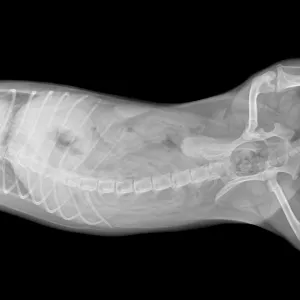
This procedure is a non-operative, or closed, reduction that would correct a hip dislocation without any surgical instruments or incisions. In animals, this would require anaesthesia to ensure of their safety and reduce the amount of pain that they feel when the procedure is performed. Once the procedure is performed, owners are advised to reduce their pets’ activity levels significantly to prevent relaxation of hips.
Ears
Ear surgery involves procedures to treat infections, injuries, or conditions affecting your pet’s ears — helping relieve pain, restore comfort, and prevent recurring issues.
Aural Haematoma Repair
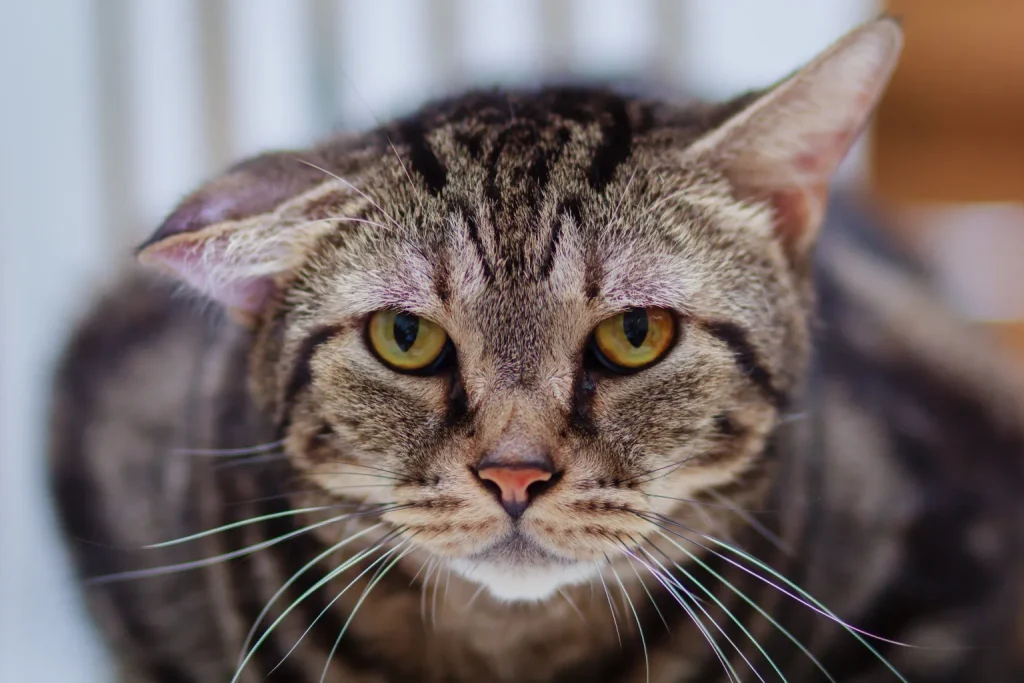
An aural hematoma is a collection of blood within the pinna (ear flap) of a cat/dog. It is caused by excessive or violent shaking of the head, which can break blood vessels and cause bleeding into the space between the ear cartilage and skin.
Treatment for an aural hematoma typically involves surgery to drain the blood and eliminate the space where it accumulated. This is followed by stabilizing the pinna to prevent further damage.
Follow-up treatment may include cleaning any discharge from the surgery sites, and monitoring for infection. If left untreated, an aural hematoma may cause damage to the surrounding ear tissues and result in a distorted, cauliflower-shaped ear.
It is important to seek veterinary care promptly if your dog develops an aural hematoma, as treatment can help to prevent further complications and restore your dog’s comfort.
Eyes
Eye surgery involves specialised procedures to treat conditions affecting your pet’s eyes — helping restore vision, relieve discomfort, and protect long-term eye health.
Enucleation
Enucleation is the removal of the eye from the eye socket. This would usually have to performed if the pet suffered severe trauma of the eye or the eye is diseased or painful to the point of affecting the pet’s quality of life. After the surgery, management of the wound is important, where the cone collar has to be placed for the duration of the wound healing to prevent the pet from scratching and tearing the stitches
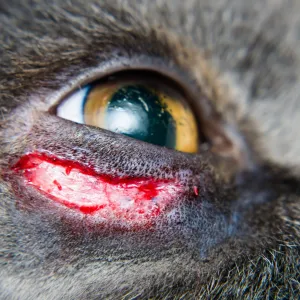
Entropion
Entropion occurs when the eyelid curls inwards such that the eyelashes irritate the cornea of the eye. If left alone, it would cause irritation, pain, ulceration or perforation. Surgical entropion repair involves the removal of a section of the skin from the affected eyelid to reverse the inward rolling. After the surgery, management of the wound is important, where the cone collar has to be placed for the duration of the wound healing to prevent the pet from scratching and tearing the stitches.
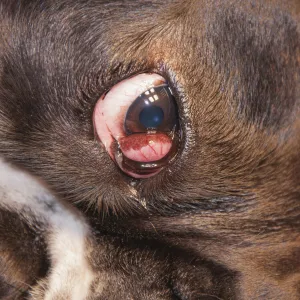
Prolapsed Third Eyes Repair
Commonly known as Cherry Eye, it occurs when the gland behind the third eyelid prolapsed, appearing as a red mass protruding from the back of the third eyelid. Replacement of the third eyelid gland is a surgical procedure that involves the repositioning of the gland back behind the third eyelid. After the surgery, management of the wound is important, where the cone collar has to be placed for the duration of the wound healing to prevent the pet from scratching and tearing the stitches.
Mouth
Mouth surgery involves procedures to treat dental and oral conditions in your pet — helping relieve pain, restore comfort, and maintain overall health.
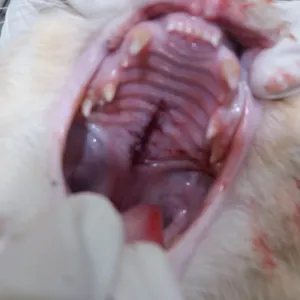
Upper Palate Closure
A split upper palate could be caused by a variety of conditions, including birth defects or traumatic injury, such as from a high-rise fall. Closure of the upper palate involves surgical procedure to surgically close the upper palate to prevent any food stuff from entering the nasal cavity and causing any infections
Gastrointernal
Treat conditions affecting your pet’s stomach and intestines — helping restore digestion, relieve discomfort, and support overall health.
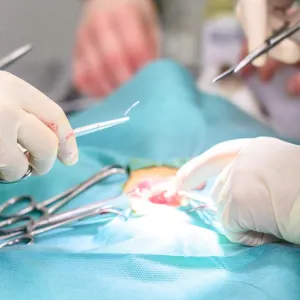
Abdominal Exploratory Laparotomy
This surgery involves the incision of the abdomen to examine the abdominal cavity and the organs In it. If deemed necessary, the doctor would proceed with performing other surgical procedures such as splenectomy, biopsy, cystotomy, gastrotomy, etc.
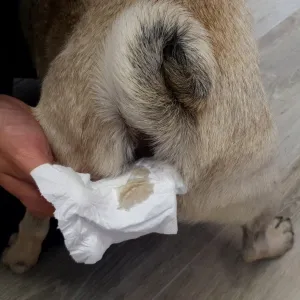
Anal Gland Sacculectomy
Anal glands are scent glands located at the 4 o’clock and 8 o’clock direction of the anus. Most dogs would require these glands to be expressed out at least once a month, otherwise infection could occur. If the infection is left alone, it could lead to more severe conditions such as anal gland impaction or abscessation. If it is deemed that the damage is too severe, the doctor would have to remove the affected anal gland/s via anal gland sacculectomy.
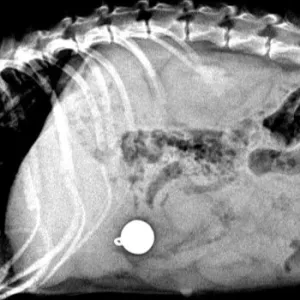
FB Removal
When foreign body obstruction occurs, your pet may display many symptoms, including inappetence, lethargy and vomiting. If you suspect that your pet has ingested something foreign, it would be best to bring them down to a clinic immediately to see if it could be induced out via emesis. However, if it has already been lodged in the intestines or stomach and it is not moving any further along, surgical removal of the foreign object would be required, gastrotomy if the foreign body is lodged in the stomach or enterectomy if the foreign body is lodged in the intestines.
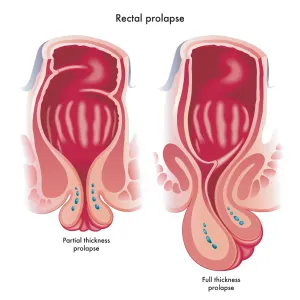
Rectal Prolapse
Rectal prolapse is the condition where one or more layers of the rectum is displaced through the anus. If it is a complete prolapse, the rectal lining would be visible and protruding from the anus (a reddish mass). With a complete prolapse, treatment has to be performed to reduce the inflammation and any infection before the doctor replaces the prolapse back into the anus.
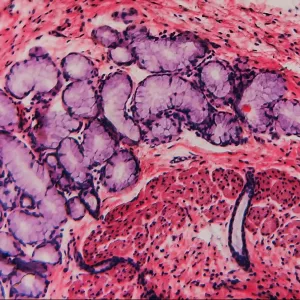
Spenectomy
This surgery involves the complete removal of the spleen due to medical reasons such as splenomegaly, splenic tumour, etc.
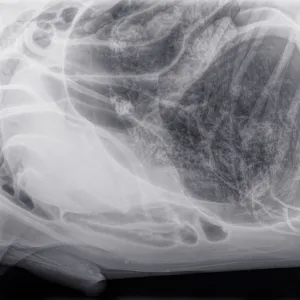
Gastric Dilatation & Volvus Surgery
Commonly known as bloat, gastric dilatation volvulus is a life-threatening disorder that may start simply as a simple gas dilatation in the stomach. However, if the bloat progresses into the volvulus, the whole stomach will be gas-filled and will twit upon itself, blocking both entrance and exit of the stomach. This would require immediate surgical attention, where shock treatment is given first to allow them to stabilise before surgical correction can be done.
Reproductive Tract
The reproductive tract refers to the organs involved in your pet’s reproductive system, including those responsible for breeding and hormonal health.
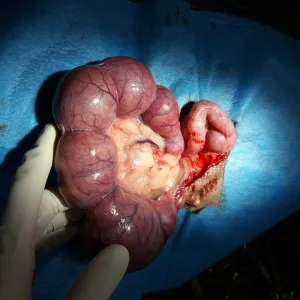
Pyometra Removal
Pyometra is the infection of the uterus, usually occurring in females that have not been sterilised. The uterus would be filled with pus, which would then affect the pet, making it ill. There are two types of pyometra, the first being an open pyometra where pus can be seen exiting from the vulva. The second type would be a closed pyometra, where no pus can be seen exiting from the vulva. Surgery would have to be performed to treat this condition, where the full removal of the uterus and ovaries are performed.
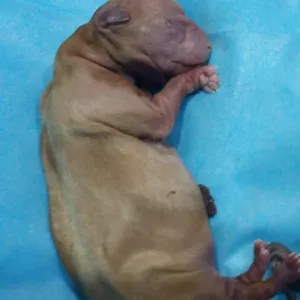
Caesarean
Caesarean section is the delivery of babies via surgery. It is usually performed as an emergency procedure when the mother dog or cat is unable deliver their babies naturally.
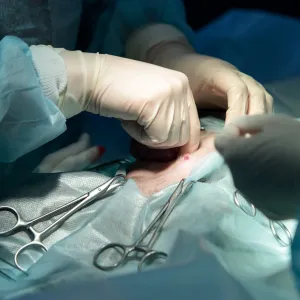
Uterine Prolapse
Uterine prolapse, though rare, can occur in your pets, where the uterus protrudes out of the cervix. General causes of this condition would include dystocia, forced fetal extraction, or excessive straining by the female dog or cat due to inflammation of the uterus. The aim of the surgery would be to reposition the uterus back to where it was originally. However, to prevent this condition from occurring, spaying your female dog would eliminate this problem entirely.
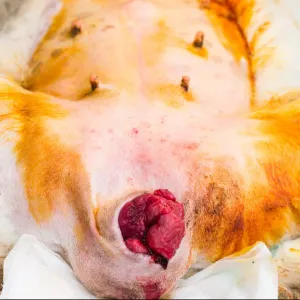
Vaginal Prolapse
Vaginal prolapse is the protrusion of the vaginal tissue, usually swollen, through the vulva. It may resemble a donut-shaped mass. Symptoms that they may have includes pain when urinating, excessive licking of vulva, etc, and would usually occur when the female dog is in heat. The doctor would then have to surgically replace the vaginal tissues back into the vagina until the heat is completed and may remove any dead tissue to prevent inflammation again. However, to prevent this condition from occurring, spaying your female dog would eliminate this problem entirely.
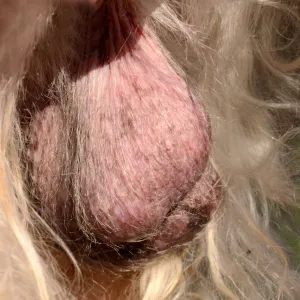
Scrotal Ablation
Scrotal ablation is the removal of the scrotum, usually die to medical reasons such as severe trauma to the scrotum, scrotal neoplasia, testicular disease, or old dogs with pendulous scrotum.
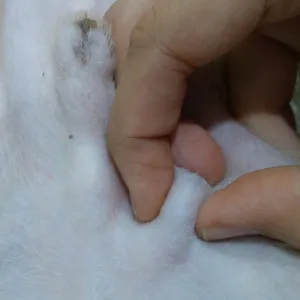
Cryptorchidism
Cryptorchidism is a genetic condition that occurs in male dogs and cats, where the testicles fail to descend from the abdomen to the scrotum. There are two types of cryptorchidism, which can be both unilateral and bilateral. The first being inguinal cryptorchidism, where the testicle has moved down from the abdomen and in the inguinal canal but did not pass through the inguinal ring. This type of cryptorchidism is more common in dogs than cats. The second type would be the abdominal cryptorchidism, which is when the testicles did not descend from the abdomen at all. Most, if not all types of cryptorchidism seen in cats are abdominal. For abdominal cryptorchidism, surgical removal of the testicles would require an incision at the abdomen, whilst most inguinal cryptorchid can be palpated at the subcutaneous tissue, thus an incision can be made over it.
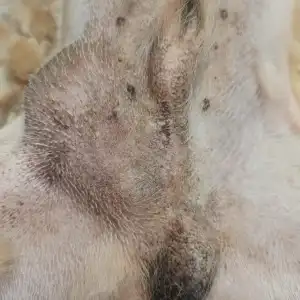
Testicular Tumours
Commonly seen in older intact male dogs, testicular tumours produce excessive amounts of hormones that would lead to swelling of the testicular or scrotal area. Treatment of testicular tumour would be done via surgery, where the testicles would be removed. To prevent such conditions from occurring, castrating your pet from a young age would be the best form of prevention.
Termination of Pregnancy
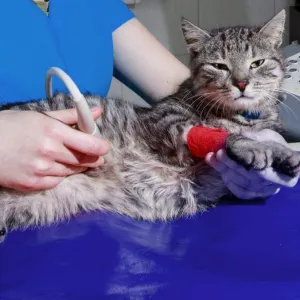
Termination of pregnancy will only be done as an emergency procedure following a medical reason, such as dystocia, neonatal death or complications that could possibly lead to the endangerment of the lives of both the foetuses and the mother cat.
Urinary Tract
The urinary tract is the system responsible for producing, storing, and removing urine from your pet’s body — helping maintain proper hydration and eliminate waste.
Cystotomy
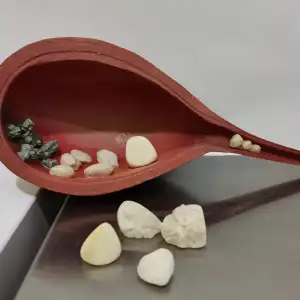
This surgery involves the incision of the abdomen to examine the abdominal cavity and the organs In it. If deemed necessary, the doctor would proceed with performing other surgical procedures such as splenectomy, biopsy, cystotomy, gastrotomy, etc.
Urethral Prolapse
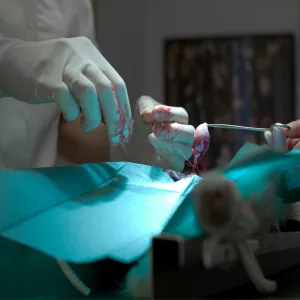
Urethral prolapse is the extrusion of the urethral mucosa through the external urethral orifice, commonly in male dogs. Therefore, repair of urethral prolapse via surgery would be performed by a resection and anastomosis of the urethral mucosa before it is gently retracted.
Non-Invasive Procedure
Abdominocentesis
A gentle procedure to remove fluid from the abdomen, helping diagnose underlying conditions and relieve discomfort, allowing your pet to feel more comfortable and breathe easier.
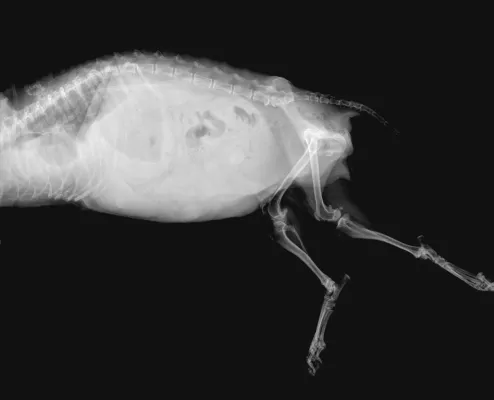
Abdominocentesis is the removal of fluids from the abdominal cavity via a needle. The build up of fluids in the abdominal cavity, also known as ascites, can be caused by certain condition, though some common reason include liver failure and right-sided heart failure. Before performing the procedure, a radiograph is performed to determine the location of fluid accumulation. From there, the area of the body where the needle will be inserted, usually the umbilicus, is prepped and clean to ensure sterility when inserting the needle. After which, once the needle has been inserted, the fluids should stream out steadily. Usually no anaesthesia is required, at most gas sedation given to dogs that are restless.
Abscess Drainage
Careful drainage of infected pockets to relieve pain, reduce swelling, and promote healing, ensuring your pet recovers comfortably with proper cleaning and follow-up care.
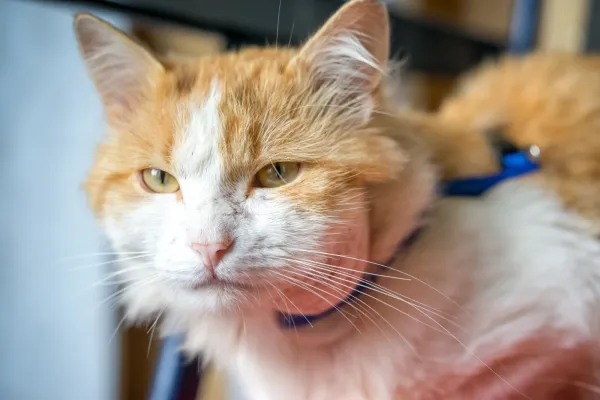
Draining of abscess is performed when an abscess requires drainage. Local anaesthetic is given on the affected area to numb the pain when the needle is inserted. The abscess is then drained of any pus inside. After the drainage, medications are usually given to treat the infection that caused the abscess.
Aural Haematoma Drainage
Treatment to release trapped blood in the ear flap, reducing swelling and discomfort while helping restore your pet’s ear shape and prevent further complications.
Draining of Aural haematoma is usually performed when surgical intervention is not an option for the pet, i.e. the pet is too sick to undergo surgery. Local anaesthesia is applied onto the affected ear before a small incision is made to drain the blood from the pinna.
Myiasis / Maggot Wound Management
Thorough cleaning and treatment of wounds affected by maggots, removing infected tissue and promoting healing while ensuring your pet’s comfort and preventing further infection.
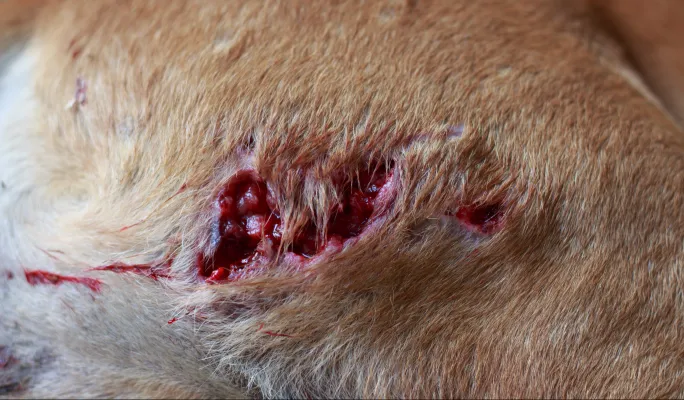
If a wound is left untreated for too long, it may start to invite flies to it, causing the pest to lay their eggs in the wound and thus cause wound to become a maggot wound. This would have to be treated as soon as possible, as the pain and discomfort from an already infected wound, let alone a maggot wound would cause a lot of stress on your pet. If the pet is in a lot of pain and distress, slight sedation may be given to reduce it during the procedure. The wound will be flushed, and the maggots manually removed from the wound. Once we have confirmed that all maggots have been removed, the wound is flushed once more before the necessary medications and treatment is given.
De-ticking Treatment
Safe removal of ticks from your pet’s skin, reducing irritation and preventing tick-borne diseases while keeping your pet comfortable, healthy, and protected from future infestations.
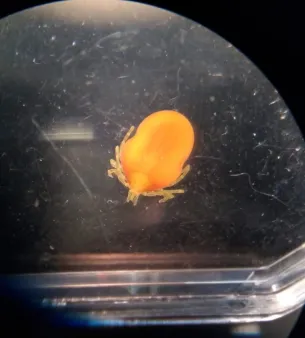
Ticks are ectoparasites that feed on the blood of your pet dogs. Not only are they pest, but they are also hosts to many other parasites and diseases that can make your dog sick. Such diseases include Babesiosis, Anaplasmosis and Ehrlichiosis. If your pet is infested with ticks, they would need to be brought down to be deticked. They would have to be shaven down and the ticks manually and professionally removed before they are given a deticking bath. It is highly recommended for owners to have blood tests performed for their dogs to check on their reed blood cell levels as well as if they have caught any tick-borne diseases. Their homes should also be professionally cleaned so as to remove any existing ticks that may be lurking in the house.
Feline Catheterisation for FLUTD
A procedure to relieve urinary blockage in cats, allowing urine to pass safely while reducing pain, preventing complications, and supporting recovery from lower urinary tract disease.
FLUTD is most seen in male cats, where they are unable to urinate due to blockage. This is caused by a build up of crystalised minerals in the bladder that could easily get stuck in the urethra of the male cat, or a mucus plug covering the entrance of the urethra. This condition can be fatal if left untreated, thus it would be advisable to bring your cat down if you notice symptoms such as straining to urinate, frequenting the litter box but no urine seen. The cat would have to be sedated to prevent anymore stress and discomfort from their condition before the catheterisation is performed. Flushing with would be required if the blockage is severe, and owners would be advised to have a blood test run for their cat to check the condition of the kidneys.
Wound Management
Gentle cleaning, treatment, and protection of wounds to prevent infection, reduce pain, and support proper healing, helping your pet recover safely and comfortably.
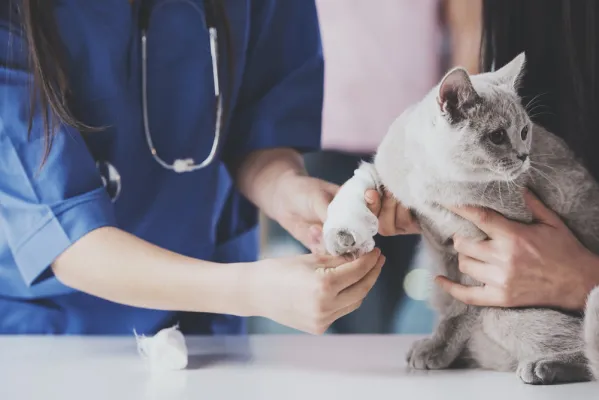
Wounds can come in a lot of ways and on different areas of the body. So if your pet happens to have a wound, bring it down so that the wound can be treated before any surgical intervention in needed. The wound will be flushed and examined is there is any infection or if the wound to very deep before the vet can give any recommendations on what the next step should be.
Miscellaneous Procedures & Tests
Eye
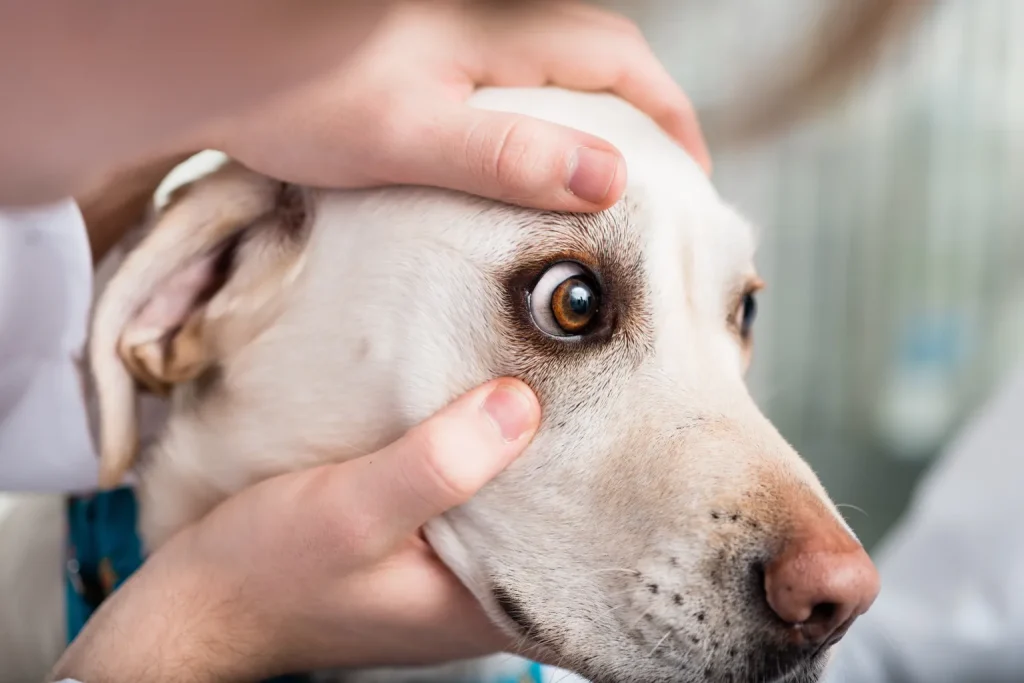
Eye Examination
An eye examination is usually performed if one of the cause of concerns from the owners are their pet’s eyes, or if during the physical examination the vet noticed any issues pertaining to the eye.
Eye Pressure Check
When performing an eye pressure check, a tonometer is used to check the eye pressure. This test is also known as ocular tonometry. This test is usually used to diagnose if the pet has glaucoma. The normal range for cats and dogs is 17 to 20mmHg and 15 to 25mmHg respectively
Fluorescein Staining
Fluorescein staining is usually performed to diagnose if there is any ulcers, scratches, or foreign object in the cornea of the eye. The stain would be placed in the cornea of the eye before being washed of with saline. To be able to see the stain, a blue light would be shone on the eye in the dark. If there happens to be any ulcers, scratches or foreign object in the eye, they would have been stained from the fluorescein and would shine yellow under the blue light.
Ears
Gentle ear examinations and cleaning to treat infections, remove buildup, and relieve discomfort, helping your pet maintain healthy ears and prevent recurring issues.
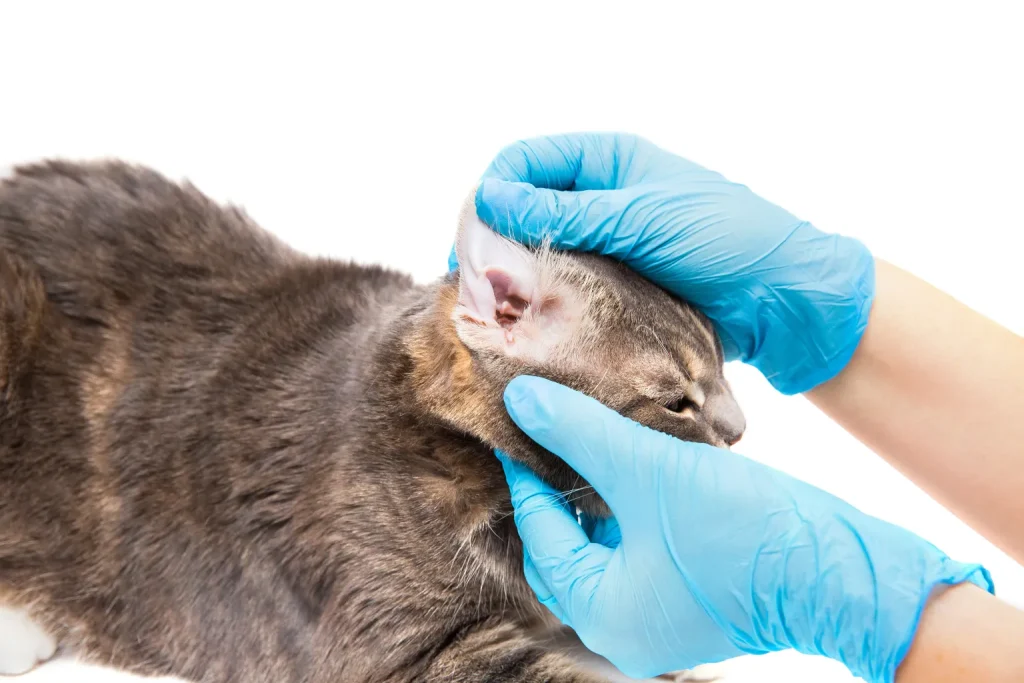
Ear Cleaning
This procedure would only be performed if deemed medically necessary, such as if there is an ear infection. The ears would be cleaned and any excess fur in the ear canal will be removed. The reason why the fur in the ear canal would be removed is to reduce the rate of infection in the ear and allow owners to apply the necessary topical medication in the ear with more ease
Ear Irrigation
This procedure would only be performed if deemed medically necessary, such as if there is a severe ear infection. The ears would be irrigated with ceruminolytic ear cleaner and flushed. If the pet happens to be in pain when irrigating, a slight sedation would be needed to reduce the stress in the pet.
Lab Ear Cytology
This is a microscopic check of the ear swab of the affected animal. This would help the vet determine the cause of the infection. Through the microscope, organisms such as bacteria, yeast and parasite can be seen. With proper diagnosis, proper treatment can be given to alleviate the infection of the ear.
Oral
Gentle ear examinations and cleaning to treat infections, remove buildup, and relieve discomfort, helping your pet maintain healthy ears and prevent recurring issues.
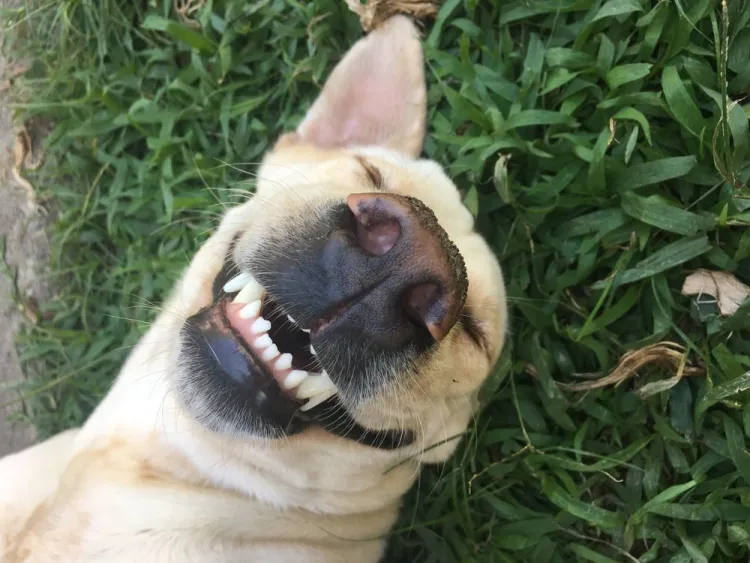
Oral Examination
An oral examination is usually performed if one of the cause of concerns from the owners are their pet’s mouth, or if during the physical examination the vet noticed any issues pertaining to the mouth. The vet would check the whole mouth, including the teeth and gums. If the pet happens to be in pain when examining the oral cavity, a slight sedation would be needed to reduce the stress in the pet.
Clipping of Teeth
Clipping of teeth is performed on small mammals only if medically necessary, such as teeth that has been severely overgrown that the pet in unable to eat. The vet would ensure that the clipping is done properly such that the pet is not overly stressed when their teeth are being clipped and their teeth are clipped at the right length to ensure they are able to eat again.
Anal
Careful examination and expression of anal glands to relieve discomfort, prevent infections, and address impaction issues, helping your pet stay comfortable and irritation-free.
Anal Gland Expression
This procedure is performed if the vet notices that the anal gland is full. Located at the 4 o’clock, 8 o’clock direction of the rectum, this scent gland would be required to be emptied at least once a month. If left alone to fill up, it could lead to the pet being uncomfortable and start scooting around. If it continues, it could lead to anal gland infection and anal gland impaction.
Skin & Fur
Evaluation and treatment of skin and coat conditions, including allergies, infections, and parasites, helping maintain healthy fur while keeping your pet comfortable and itch-free.
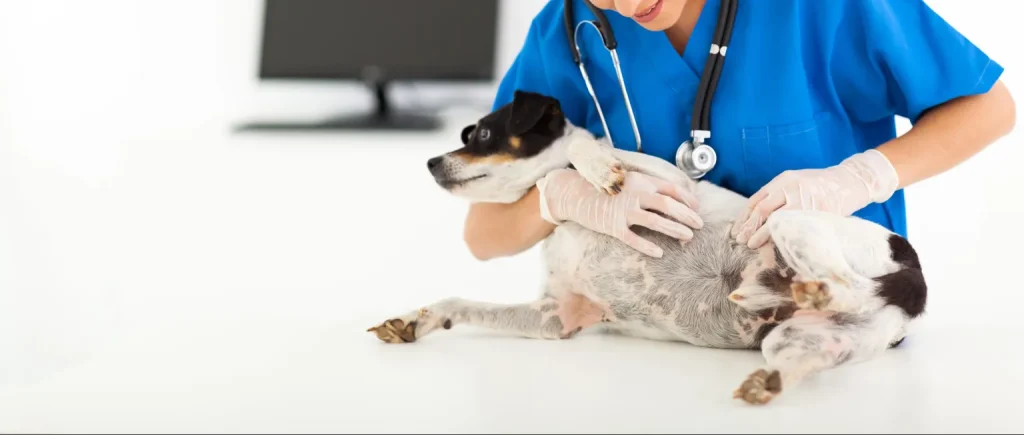
Clipping & Cleaning Affected Area
This procedure would only be performed if deemed medically necessary, such as if there is skin infection. Depending on where the skin issue is, the affected area(s) would be shaved down, i.e. paw pads, paws, any area of the body, whole body. By shaving the affected areas, it would be easier to diagnose the condition and for owners to apply topical medications.
Microscopic Check of Skin
By scraping a sample if skin, it can be checked under the microscope to identify the cause of the skin issues/lesions. It would be able to identify if there is any infection (bacterial or fungal) or parasites (i.e. Demodex, Scabies).
Microscopic Check of Fur
This test uses fur samples obtained from the pet. It is then checked under the microscope to identify the cause of the skin issues. It would be able to identify any parasitic infestation (i.e. furmites).
Krusee Dermatophyte Test
One of the most common cause of skin issues in dogs is fungal infection. To be able to identify the type of fungus that is infecting the body, the dermatophyte test is able to differentiate dermatophyte fungus from the typical saprotrophic fungus with its specialised agar that includes a pH indicator that turns red is a dermatophyte fungus is present.
Nail
Safe nail trimming and treatment to prevent overgrowth, splitting, or injury, ensuring your pet can walk comfortably while reducing the risk of pain or infections.
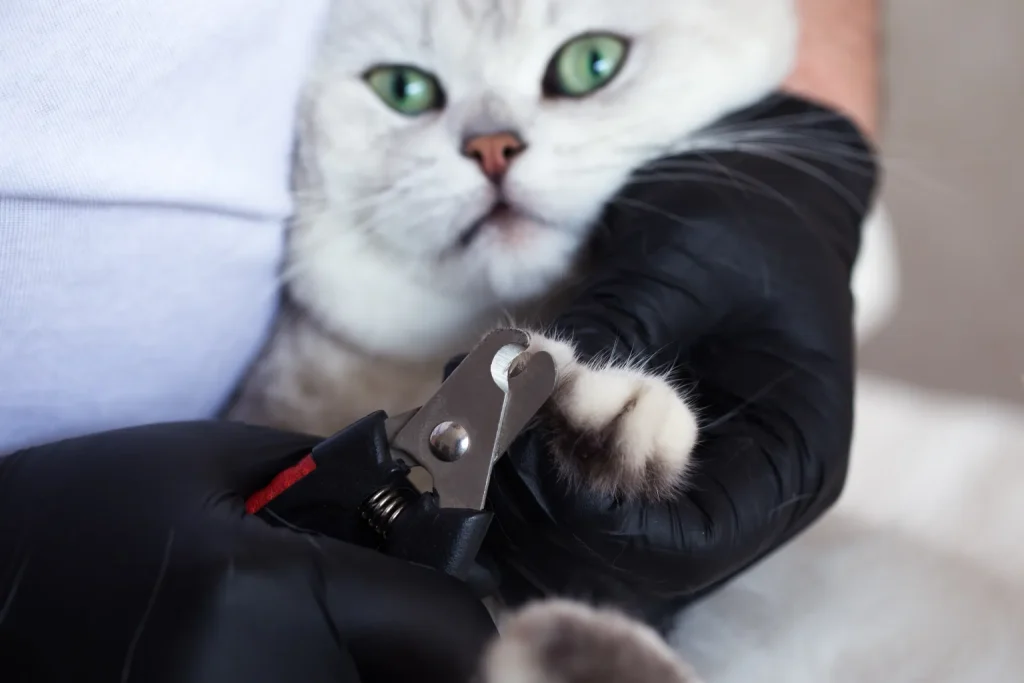
Nail Clipping
This procedure would only be performed if deemed medically necessary, such as overgrown nails or if the pet gets feisty when owners try to clip their nails. As the nails have a blood vessel called a quik, we would clip the nails such that there are a few millimetres of space before the quik to ensure that the nail will not bleed. For nails that are black, we would use a light to show us the position of the quik to ensure we avoid it when clipping.
Clipping Ingrown Nail
When the nails are overgrown, it will curl inwards and may grow into the paw pads if not clipped on time. If left untreated, it would cause infection of the paw pad as well as a lot of pain and discomfort for the pet. If the pet seems to be in a lot of distress and pain when trying to clip the overgrown nail, slight sedation may be required to reduce the stress and pain on the pet.
Removal of Infected Nail
When the nails are infected, it would cause a lot of pain and inflammation around the affected paw pad, making the pet cry in pain if they use the paw and they start to limp to prevent any more pain on the paw. Removal of the infected nail would reduce the pain felt by the pet and help to start the healing process of the nail bed. Pets may be sedated if there is a lot of pain induced from the removal.
Faecal
Laboratory testing of stool samples to detect parasites, infections, or digestive issues, helping ensure your pet’s gut health and guiding appropriate treatment when needed.
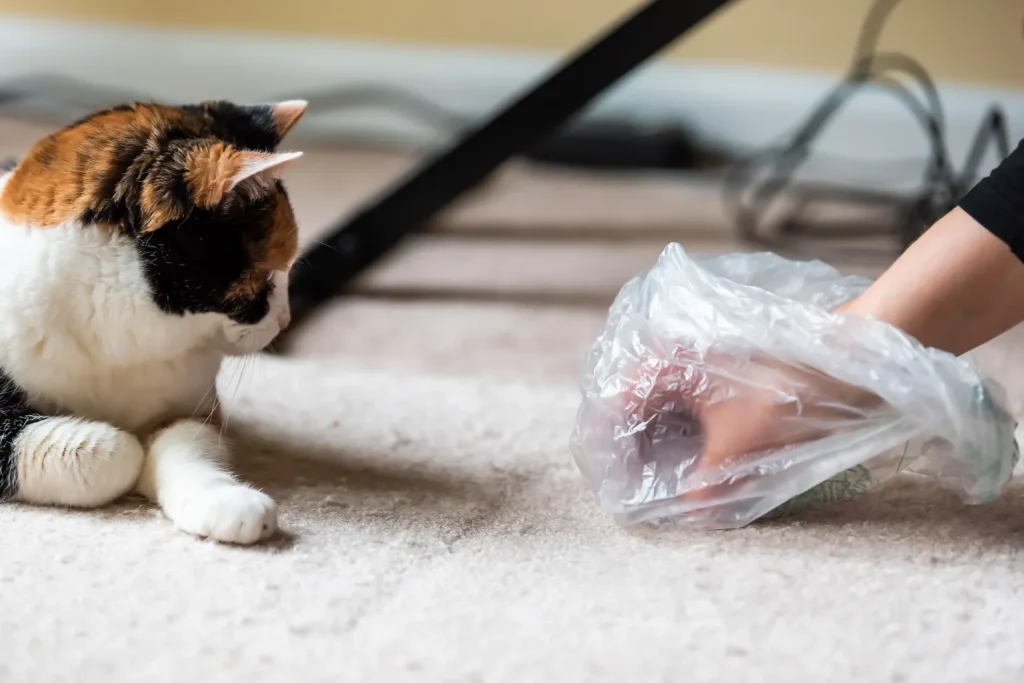
Rectal Examination
A rectal examination is usually performed if one of the cause of concerns from the owners are their pet’s gastrointestinal tract, or if during the physical examination the vet noticed any issues pertaining to the rectum. During this examination, the vet would examine the rectum, ensuring that her finger is gloved and lubricated to prevent pain and discomfort of the examination. This examination is usually performed to examine to faecal sample of the pet to be used for faecal analysis as well as to check the prostate in intact male dogs.
Faecal Analysis
This test is performed on a faecal sample to aid in diagnosing some conditions that may be affecting the digestive tract. These conditions can include infections from parasites, viruses or bacteria, poor nutrient absorption and others.
Manual Evacuation of Faeces
This procedure is performed when the pet is constipated and is unable to defecate for a few days. A radiograph would be performed before and/or after the procedure to be able to visualise the amount of faecal matter that would be required to be evacuated. Sedation would have to be given to reduce discomfort and stress on the pet.
Urinary
Urine testing and assessment to detect infections, crystals, or underlying conditions, helping maintain urinary health and allowing early treatment to prevent more serious complications.
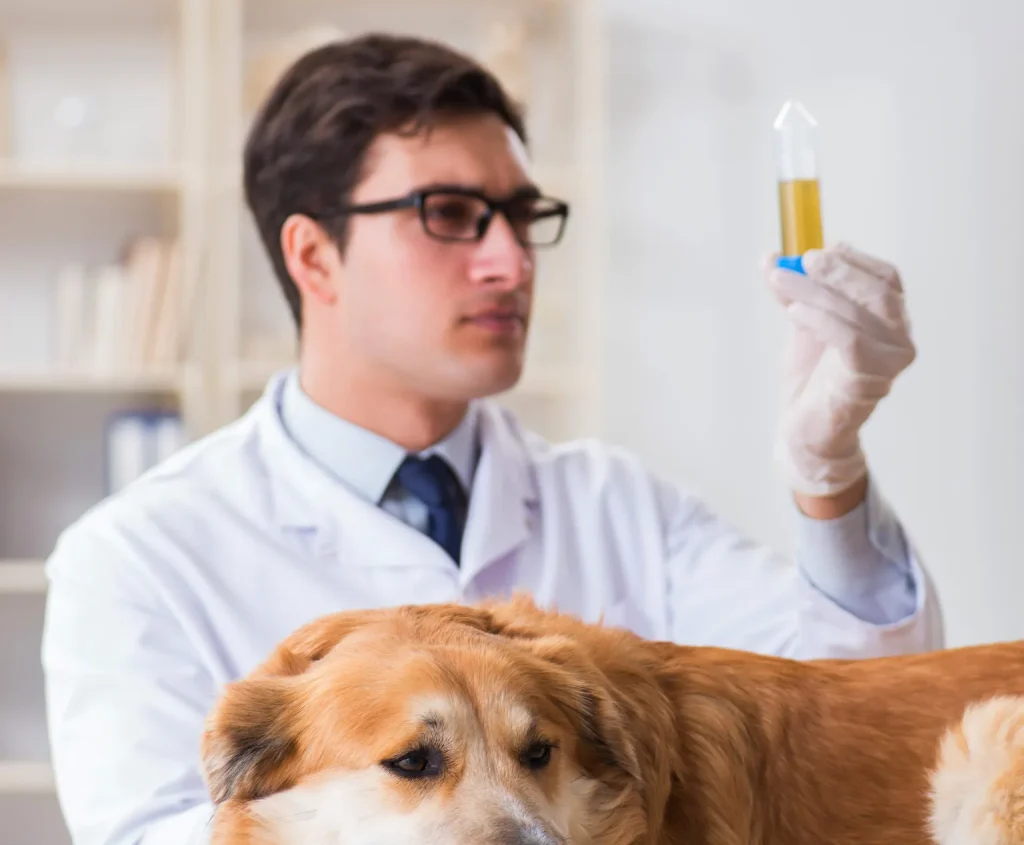
Urine Collection Via Cystocentests or Catherisation
A urine collection is usually performed if one of the cause of concerns from the owners are their pet’s urine, or if during the physical examination the vet noticed any issues pertaining to the urinary tract. A urine collection is performed to obtain urine for further testing such as for urinalysis and the urine sediment parameter. Collection via cystocentesis is usually performed on females, where a sterile needle and syringe is inserted into the bladder (ultrasound-guided) to collect the urine directly, whereas collection via catheterisation is performed on males, where a urinary catheter is inserted into the urethra and into the bladder, where the urine is collected directly and in a sterile manner.
Manual Evacuation of Urine
This procedure is usually performed when the pet is unable to express their urine on their own, usually due to neurological dysfunction where the pet may not be able to feel that their bladder is full or in male cats that are severely blocked and would require an emergency evacuation of the urine. In male dogs, they would be catheterised to be evacuated while females and male cats are evacuated via ultrasound-guided cystocentesis.
Urinalysis (Physical & Chemical Parameters)
Physical, and chemical check of the urine. A urinalysis is used to detect and manage a wide range of disorders, such as urinary tract infections, kidney disease and diabetes. A urinalysis involves checking the appearance, concentration, and content of urine.
Urin Sediment Parameters
Microscopic check of the urine via the IDEXX SediVue Dx, where it can detect any crystals, red blood cells, epithelial cells, and white blood cells in the urine. This would allow us to further diagnose the condition of your pet.
Diagnostic & Additional Services
Radiography (X-Ray)
We provide a comprehensive radiography service performed by the DynaVue radiograph machine that has both digital radiography and fluoroscopy
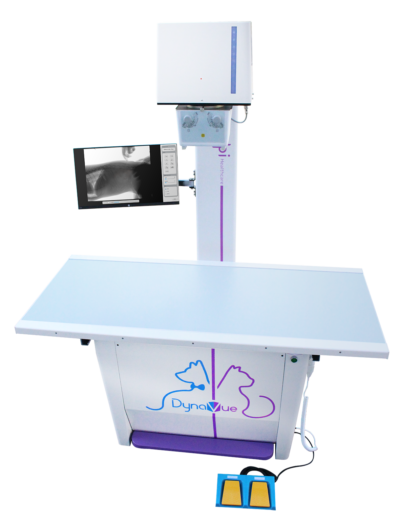
With digital radiography, you will be able to obtain an X-ray image of your pet and our doctor will be able to diagnose any abnormalities noted in the image. Digital radiography is mainly used for diagnosing conditions such as foreign body obstruction, bone structure, heart size, and other internal issues.
As for fluoroscopy, it is a non-invasive test that uses an X-ray beam to pass through the body continuously to create moving pictures, allowing the doctor to see the movement of internal organs in real-time. Fluoroscopy is usually done to perform procedures such as treating urethral and colonic obstructive disease, contrast studies of the gastrointestinal tract, and performing minimally invasive fracture repair.
X-RAY : First View: $95 | Subsequent Views: $85
Fluoroscopy : A consultation is required to understand the medical condition before an estimated cost can be generated
Ultrasound
We provide ultrasound services for pets in need of it. As it is a non-invasive imaging technique that allows structures to be seen via reflection of ultrasonic waves
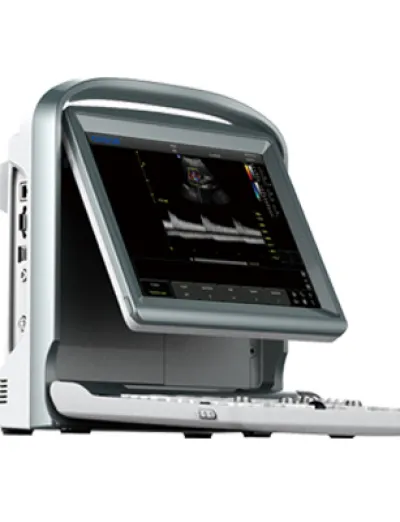
Ultrasound examinations are usually performed to diagnose conditions such as tumours and pregnancy. The non-invasive nature makes it particularly useful for examining soft tissue structures and organs.
There are different types of ultrasounds that we perform, including:
• Echocardiogram – Ultrasound of the heart that helps to diagnose certain heart diseases
• Full Abdominal Ultrasound – We scan the whole abdominal cavity
• Regional Ultrasound – More specific ultrasound on different regions, such as the pelvic region
Pricing ranges between $148 to $595
*All costs stated are before GST
*Additional charges may apply for sedation if the pet is restless or uncooperative during the procedure.
Other Services
Hospitalization
Our emergency vet team delivers specialized pet ICU care with IV therapy, continuous monitoring, and expert medical interventions for your pet’s recovery.
When your pet’s condition is critical or requires emergency vet services in Bukit Batok, My Family Vet Clinic and Surgery provides comprehensive pet hospitalization in Singapore. Our emergency vet team delivers specialized pet ICU care with IV therapy, continuous monitoring, and expert medical interventions for your pet’s recovery.
Hospitalized pets in Singapore receive specialized care including intravenous fluid therapy, procedural support feeding, seizure watch, glucose curve monitoring, and other necessary treatments. Many pets require diagnostic services like X-rays or ultrasound during their hospitalization. We provide pet hospitalization services for most animals, including dogs, cats, rabbits, hamsters, and birds. If your pet needs initial assessment, book a consultation first. View our transparent hospitalization pricing below.
As for fluoroscopy, it is a non-invasive test that uses an X-ray beam to pass through the body continuously to create moving pictures, allowing the doctor to see the movement of internal organs in real-time. Fluoroscopy is usually done to perform procedures such as treating urethral and colonic obstructive disease, contrast studies of the gastrointestinal tract, and performing minimally invasive fracture repair.
Important Notice: Please note that we are not a 24-hour clinic. For patients that require intensive round-the-clock care, we would advise clinics or hospitals that offer these services. However, we provide comprehensive emergency vet care during our operating hours for pets requiring hospitalization.
Pet Sterilization
At My Family Vet Clinic and Surgery in Bukit Batok, we provide professional dog spaying and cat neutering services for pet owners throughout Singapore.
Sterilization is one of the most important decisions you can make for your pet’s long-term health and wellbeing. At My Family Vet Clinic and Surgery in Bukit Batok, we provide professional cat sterilization and rabbit sterilization in Singapore. Our experienced veterinary team performs every procedure with the highest standards of care, helping reduce the risk of reproductive diseases while supporting a healthier and happier life for your pet.
Sterilization offers many long-term health and behavioural benefits, including reducing the risk of uterine infections, ovarian cysts, mammary tumours, and certain reproductive cancers in females, while helping prevent unwanted litters. Male cats and rabbits may also benefit from reduced territorial marking, roaming, spraying, and hormone-related behaviours. Before the procedure, every pet undergoes a thorough health assessment to ensure they are suitable candidates for surgery. We provide sterilization services for cats and rabbits, with personalised advice on the best timing for your pet. If you’re considering pet sterilization, book a consultation with our veterinary team to discuss the procedure, recovery, and aftercare.
Sterilization is one of the most important decisions you can make for your pet’s long-term health and wellbeing. At My Family Vet Clinic and Surgery in Bukit Batok, we provide professional cat sterilization and rabbit sterilization in Singapore. Our experienced veterinary team performs every procedure with the highest standards of care, helping reduce the risk of reproductive diseases while supporting a healthier and happier life for your pet.
Sterilization offers many long-term health and behavioural benefits, including reducing the risk of uterine infections, ovarian cysts, mammary tumours, and certain reproductive cancers in females, while helping prevent unwanted litters. Male cats and rabbits may also benefit from reduced territorial marking, roaming, spraying, and hormone-related behaviours. Before the procedure, every pet undergoes a thorough health assessment to ensure they are suitable candidates for surgery. We provide sterilization services for cats and rabbits, with personalised advice on the best timing for your pet. If you’re considering pet sterilization, book a consultation with our veterinary team to discuss the procedure, recovery, and aftercare.
Important Notice: Please note that we are not a 24-hour clinic. For patients that require intensive round-the-clock care, we would advise clinics or hospitals that offer these services. However, we provide comprehensive emergency vet care during our operating hours for pets requiring hospitalization.
Dental Scaling
Our dental hygiene services at My Family Vet Clinic and Surgery are performed using the IM3 GS Deluxe ultrasonic scaler, providing a thorough scaling of the teeth
Our dental hygiene services at My Family Vet Clinic and Surgery, including dental scaling for dogs and cats in Bukit Batok, are performed using the IM3 GS Deluxe ultrasonic scaler, providing a thorough scaling of the teeth. As a trusted vet clinic in Bukit Batok, we ensure plaque and tartar accumulated will be removed and scaled with any decayed teeth removed during the process of dental scaling for dogs.
As the procedure requires us to scale both the exterior and interior parts of the teeth, anaesthesia would be required to prevent them from injuring themselves while the procedure is performed. Bring your fur babies to us for thorough pet dental care in Singapore and ensure healthy gums and teeth while your beloved pet grows.
Vaccination
Protect your beloved pets from serious infectious diseases with our comprehensive dog and cat vaccination services in Bukit Batok
Protect your beloved pets from serious infectious diseases with our comprehensive dog and cat vaccination services in Bukit Batok. At My Family Vet Clinic and Surgery, we provide complete pet vaccination programs for dogs, cats, and rabbits, ensuring your pets stay healthy throughout their lives.
Vaccinations are one of the most important preventive healthcare measures for pets. Whether you have a new puppy or kitten starting their vaccination schedule, or an adult pet needing annual boosters, our experienced team will guide you through the process. View our transparent vaccination pricing below.
Consultation
At My Family Vet Clinic and Surgery in Bukit Batok, we provide comprehensive veterinary consultation services for all your pet’s health needs.
At My Family Vet Clinic and Surgery in Bukit Batok, we provide comprehensive veterinary consultation services for all your pet’s health needs. Whether it’s a routine pet health check, vaccination consultation, or follow-up review, our experienced team led by Dr. Vanessa Lin is here to ensure your pet receives the best care possible.
Walk-in vet consultations are welcome! We understand that pet health needs can arise unexpectedly, so we’re ready to see you and your furry friend when you need us.
DNA Testing
A DNA test can help pet owners understand their animal. However, it’s not essential for every pet —results are probabilistic, not definitive
A DNA test can help pet owners understand their animal’s breed mix, which gives insight into behavior, energy levels, and care needs, while also screening for genetic health risks so issues can be monitored or prevented early with a vet. It can be especially useful for mixed-breed or rescue pets with unknown backgrounds, and may help guide diet, exercise, and medical decisions.
However, it’s not essential for every pet—results are probabilistic, not definitive, and if your pet is already healthy and well-managed, you may not gain much practical benefit.
Testimonial
Trusted by Pet Families
We know how much your pets mean to you — and we’re honored to care for them. Here’s what fellow pet owners have to say about their experience with us.
Posted on GoogleTrustindex verifies that the original source of the review is Google. Even after reading all the negative review, i still decided to give this clinic a go few days back as it’s quite near my house , i brought my dog in due to vomiting, diarrhoea, and other conditions , the wait time may be long which is understandable as they only take walk in and sometimes i do hear that there is emergency case that come after me which need to be attended to first. After the consultation, they went through all the recommend test with me , i appreciate their professionalism to go through everything with me and gave me the option to decline if i ever wanted to which is what i am looking for after visiting multiple clinics. At the end of the day, i highly recommend this clinic , prices i can’t say for sure but so far i feel they are reasonable and wont overcharge based on the client but recommendations are done based on the condition. Thanks so much Dr Vanessa and the teamPosted on GoogleTrustindex verifies that the original source of the review is Google. My 18 years old miniature schnauzer Fifi was unwell suddenly and we called several clinics near our house but no one could take her. Dr. Vanessa was willing to take her in as an emergency case. After a thorough check, she told us how serious was my dog's condition and applied appropriate measures to stabilise Fifi. She also helped facilitate the transfer to Beecroft by sending all reports and X rays promptly. Because of her, Fifi was able to get treatment swiftly and Fifi made it home from a critical pancreatitis attack. Thank you Dr. Vanessa!Posted on GoogleTrustindex verifies that the original source of the review is Google. Dr Vanessa and her team is very caring and professional. That's explain by so many people who are revisiting with their pets. They also replied whatsap message whenever they are available. I am really thankful for their help!Posted on GoogleTrustindex verifies that the original source of the review is Google. This was my first visit to this clinic with my rabbit, Snowball. Despite the long waiting time, Dr. Vanessa and her team provided exceptional care and compassion throughout Snowball's treatment. I truly believe they did everything they possibly could, but due to Snowball's critical condition, she sadly passed away after spending two nights at the clinic. Dr. Vanessa and her team consistently went above and beyond, often staying late to ensure Snowball received the best possible care. They also kept me promptly updated on her condition, which gave me great comfort during such a difficult time. Because of my work commitments, I was unable to take leave to collect Snowball's body immediately. The team was incredibly understanding and allowed me some flexibility with my outstanding bill so that I could focus on making the necessary arrangements for Snowball's cremation and take the time I needed to grieve. I am deeply grateful for their kindness, empathy, and professionalism during this heartbreaking period. Although the waiting time can be long, I can confidently say it is worth it. Your beloved pets will be in caring and capable hands, looked after by a team that is truly passionate, patient, and dedicated to their work.Posted on GoogleTrustindex verifies that the original source of the review is Google. Staff and Dr Vanessa Lin very professional. Puppies were chill. Customers were also friendly. Coffeeshop is at same block if you need a drink while waiting...Posted on GoogleTrustindex verifies that the original source of the review is Google. Dr Vanessa has been treating all my 3 cats for over 10years. Thank you to all the vet techs esp Wei Jun who was patient and helpful in helping my pet and I. Recommended
Testimonial
Trusted by Pet Families
We know how much your pets mean to you — and we’re honored to care for them. Here’s what fellow pet owners have to say about their experience with us.
WALK IN CLINICS
Your Pet are Welcome Within Working Hours
Operating Hours
-
Mon, Wed-Fri:
11:00 AM - 9:00 PM -
Sat-Sun:
11:00 AM - 5:00 PM -
Tuesdays, Public Holiday
Closed
Walk-in clinic. No stress. All are welcome. Planning a procedure? Kindly contact us to secure a slot before coming.