Would you believe that this adorable Chow Chow was in pain every time he blinked?
Meet Zu Jin, a Chow Chow who was just one year old when he came to the veterinary clinic with severe eye inflammation, infection and corneal ulceration.
What might have looked like an eye problem was actually caused by an abnormality in the position of his eyelids.
Zu Jin had entropion, a condition in which the eyelid rolls inward, causing the eyelashes and surrounding hair to rub against the surface of the eye.
For Zu Jin, this meant that something as simple as blinking could cause repeated irritation and pain.
Treating the infection alone would not solve the underlying problem. The position of his eyelids also needed to be corrected to protect his eyes from further damage.
After examining his eyes, the veterinary team recommended surgery to correct the entropion in both eyes. Thankfully, Zu Jin recovered well.
His story highlights an important lesson for dog owners: eye problems are not always just about redness or discharge.
Sometimes, the underlying cause needs to be identified and treated to help a dog feel comfortable again.
What Is Entropion in Dogs?
Entropion in dogs is an eyelid condition in which part or all of the eyelid turns inward, causing the eyelashes or hair around the eyelid to rub against the cornea, the clear outer surface of the eye.
This repeated contact can irritate the eye, trigger inflammation and damage the cornea. Depending on the severity, affected dogs may experience discomfort, excessive tearing, infection or corneal ulcers.
Entropion can affect one or both eyes and may involve the upper or lower eyelids. Some dogs develop it because of their facial and eyelid structure, while others may develop an inward-turning eyelid in association with eye pain, scarring or other changes around the eye.
In Zu Jin’s case, the problem was significant enough to cause severe inflammation and corneal ulceration when he was only one year old.
Why Is Entropion Common in Chow Chows?
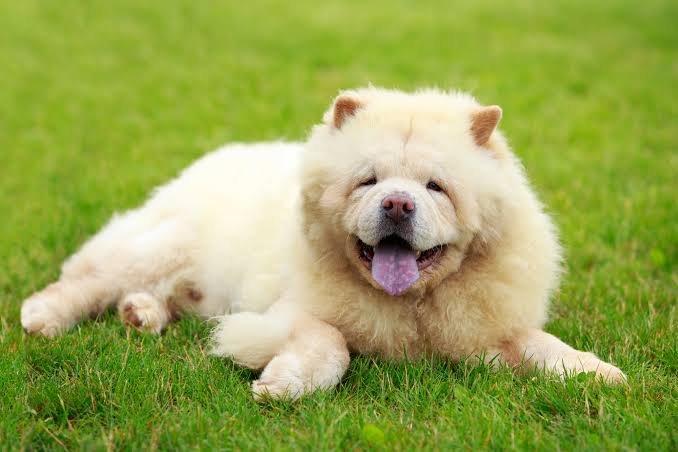
Some dog breeds are more prone to entropion because of their facial structure and the way their eyelids fit around their eyes.
Chow Chows are among the breeds predisposed to this condition. Other breeds, including Shar-Peis, Bulldogs and some retriever breeds, may also develop entropion.
However, breed alone does not determine whether a dog will develop the condition. The severity and location of the eyelid abnormality can vary between individual dogs.
Because entropion can cause ongoing eye irritation, recognising the signs early is important, particularly in breeds that are more susceptible to eyelid abnormalities.
Entropion in Dogs: Symptoms to Watch For
The symptoms of entropion can range from mild irritation to significant eye pain and corneal damage.
Some signs may initially resemble an ordinary eye infection, which is why a veterinary examination is important.
1. Dog Squinting One Eye or Keeping the Eyes Partly Closed
One of the signs of eye discomfort is squinting, also known as blepharospasm when the eyelid closure is involuntary or persistent.
A dog may keep one eye partly closed, blink excessively or appear reluctant to open the affected eye.
Although squinting in one eye can occur with entropion, it can also indicate a corneal injury, a foreign object or another painful eye condition.
Persistent squinting should be assessed by a veterinarian promptly.
2. Dog Watery Eyes or Excessive Tearing
A dog with entropion may develop watery eyes because the constant rubbing irritates the eye’s surface and stimulates tear production.
Excessive tearing, medically known as epiphora, does not automatically mean a dog has entropion.
However, if watery eyes persist, especially alongside squinting or redness, the underlying cause should be investigated.
3. Dog Eye Discharge
Some dogs with entropion develop eye discharge as inflammation increases. The discharge may be clear, mucus-like or yellowish, depending on the underlying condition.
Discharge can also occur with conjunctivitis, infection and other eye problems. It should not be assumed to be a simple infection without checking whether an eyelid abnormality or corneal injury is present.
4. Redness, Swelling and Dog Eye Irritation
When the eyelid rolls inward, the hair and eyelashes can repeatedly rub against the cornea. This can cause redness, swelling, inflammation and visible discomfort.
A dog may also rub its face against furniture or paw at its eyes. These behaviours can make the irritation worse and may introduce additional injury.
5. Corneal Ulcers and More Serious Eye Damage
In more severe cases, persistent friction can damage the cornea and lead to a corneal ulcer, which is an open wound on the eye’s surface.
Corneal ulcers can be painful and may threaten vision if they become severe or are not treated appropriately.
Zu Jin had already developed corneal ulceration by the time he was examined, demonstrating why persistent eye symptoms should never be ignored.
If your dog is squinting, has a cloudy-looking eye, develops significant redness or discharge, or appears to be in pain, seek veterinary assessment promptly. Sudden or severe eye symptoms require urgent attention.
How Is Dog Entropion Diagnosed?
Diagnosing dog entropion involves more than looking for an inward-turning eyelid. A veterinarian needs to assess the eyelid position, the condition of the eye’s surface and whether other problems are contributing to the symptoms.
An examination may include:
- Assessing the eyelids: The veterinarian checks whether the eyelid turns inward and whether hair or eyelashes are contacting the eye.
- Examining the cornea: The eye is assessed for signs of irritation, inflammation, injury or ulceration.
- Fluorescein staining: A special dye may be used to help identify corneal ulcers or defects.
- Evaluating the underlying cause: The veterinarian considers the dog’s breed, age, facial structure and whether pain or other eye conditions may be affecting the eyelid position.
These findings help determine the severity of the entropion and guide the most appropriate treatment.
In Zu Jin’s case, the examination revealed significant inflammation, infection and corneal ulceration alongside the abnormal eyelid position.
This meant that treatment needed to address both the damage already present and the source of the ongoing irritation.
Entropion in Dogs Treatment: What Are the Options?
The appropriate entropion treatment depends on the severity of the condition, the dog’s age, the amount of eyelid tissue affected and whether the cornea has already been damaged.
The main goal is to protect the eye, relieve discomfort and correct the underlying cause where necessary.
1. Medical Management for Eye Inflammation
A veterinarian may prescribe medication to manage inflammation, treat a confirmed or suspected infection where appropriate, or support the healing of a corneal injury.
Lubricating eye products may also be recommended in certain cases to reduce friction and protect the eye’s surface.
However, medication does not permanently correct a structural eyelid abnormality. If the eyelid continues to roll inward, the hair may keep rubbing against the cornea even after the initial inflammation improves.
2. Entropion Surgery in Dogs
For dogs with significant or persistent entropion, surgery may be recommended to reposition the eyelid so that it no longer turns inward and irritates the cornea.
The exact procedure depends on the dog’s eyelid structure and the severity of the condition. The veterinarian will assess how much correction is needed while aiming to preserve normal eyelid function and protect the eye.
Surgery is not automatically necessary for every case of entropion. Some temporary or mild cases may be managed differently, depending on the cause and the veterinarian’s assessment.
For dogs like Zu Jin, however, correcting the underlying eyelid abnormality was an important part of the treatment plan because the condition had already caused significant damage to the eyes.
Zu Jin’s Entropion Surgery: Correcting the Cause of His Eye Pain
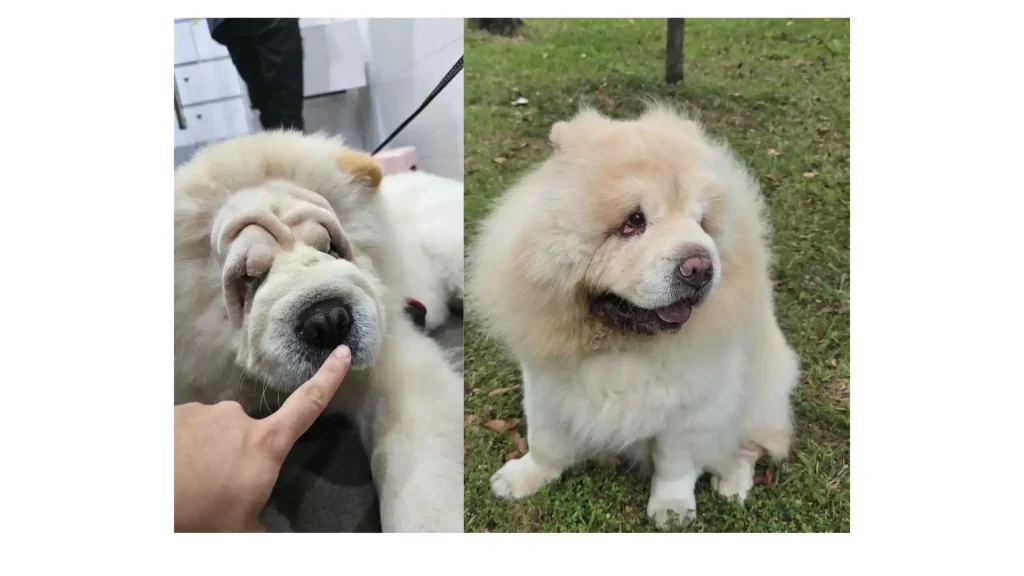
Zu Jin was only one year old, but his entropion had already caused severe inflammation, infection and corneal ulceration.
At this stage, treating the eye symptoms alone would not remove the constant friction caused by his inward-turning eyelids.
Even if the inflammation improved, the same mechanical irritation could continue every time he blinked.
After examining his eyes and assessing his eyelid conformation, the veterinarian recommended surgical correction of the entropion in both eyes.
The team performed bilateral eyelid correction, with the aim of restoring a more appropriate eyelid position and reducing the ongoing contact between the eyelids and the corneas.
For a young dog, this was an important step towards protecting his eye health in the longer term. The goal was not simply to improve the appearance of his eyes, but to address the underlying cause of his discomfort.
Thankfully, Zu Jin recovered well after surgery.
His case is a reminder that recognising and treating the underlying cause of an eye problem can be just as important as managing the symptoms it creates.
What Is Recovery Like After Entropion Surgery in Dogs?
Recovery after entropion surgery varies depending on the extent of the correction, the dog’s overall health and whether corneal damage was present before the procedure.
Following surgery, the veterinarian may recommend medication, an Elizabethan collar to prevent rubbing or scratching, and follow-up examinations to assess healing.
Owners should follow the clinic’s instructions carefully and avoid applying unprescribed eye products.
During recovery, watch for increasing redness, swelling, discharge, persistent squinting or signs that the dog is rubbing the eyes.
These symptoms should be reported to the veterinarian, as they may indicate irritation or a complication that needs assessment.
Follow-up appointments are important because the veterinarian needs to check both the surgical site and the condition of the cornea.
Further treatment may be necessary if the eye surface was significantly damaged before surgery.
Zu Jin recovered well after his bilateral eyelid correction. While every dog’s recovery is different, his case illustrates the potential benefit of addressing the underlying eyelid problem rather than allowing repeated irritation to continue.
Can Entropion in Dogs Be Prevented?
Entropion associated with a dog’s facial structure or eyelid conformation cannot always be prevented.
However, recognising symptoms early and seeking veterinary care can help reduce the risk of ongoing irritation and more serious eye damage.
Dog owners can help by:
- Watching for persistent squinting, watery eyes, redness or discharge.
- Arranging a veterinary examination if eye symptoms do not improve or return repeatedly.
- Following prescribed treatment and attending recommended follow-up appointments.
- Seeking prompt care if the dog appears to be in pain or develops sudden eye changes.
Avoid trying to pull the eyelid into position or treating the eye with human medication unless specifically instructed by a veterinarian.
Eye conditions that look similar can have different causes and require different treatments.
Also Read: 7 Mistakes Pet Owners Make During a Pet Emergency (And How to Avoid Them)
When Should You Take Your Dog to the Vet for Eye Problems?
Eye problems deserve attention because the cornea is delicate, and some injuries can worsen quickly.
Arrange a veterinary assessment if your dog has persistent watery eyes, unusual discharge, redness or repeated squinting.
Seek urgent veterinary care if your dog appears to be in significant pain, cannot open the eye, develops cloudiness or has a suspected eye injury.
Although these signs do not necessarily mean your dog has entropion, a prompt examination can help identify the cause and determine whether treatment is needed.
Also Read: Emergency Vet Checklist: What to Bring to the Clinic
Helping Dogs Feel Better, One Blink at a Time
Zu Jin’s story began with a young dog whose eyes were severely irritated by an eyelid abnormality.
By identifying the entropion and surgically correcting the position of both eyelids, the veterinary team was able to address the underlying source of his discomfort.
His recovery is a reminder that veterinary care is not always about a dramatic change in appearance.
Sometimes, the most meaningful outcome is something much simpler: helping a dog feel comfortable doing everyday things again.
A dog cannot explain that every blink hurts. But changes in eye appearance and behaviour can provide important clues that something is wrong.
If your dog has persistent eye irritation, squinting, watery eyes or unusual discharge, a veterinary examination can help determine the cause and the most appropriate next steps.
Veterinary Eye Care at My Family Vet
At My Family Vet, understanding the cause of your pet’s symptoms is an important part of providing appropriate care.
If you notice signs of eye discomfort in your dog, arrange a veterinary assessment so the condition can be evaluated and suitable treatment discussed.
My Family Vet
265 Bukit Batok East Ave 4, #01-403, Singapore 650265
Phone: +65 8102 6966
