
If you are not planning to breed your dog, you may have considered dog sterilization but still have questions about the procedure.
What exactly happens during sterilization? Is it safe? When should your dog be sterilized, and how much does it cost?
Dog sterilization is a common surgical procedure that prevents reproduction and can provide important health and behavioural benefits.
However, the right timing and approach can vary depending on your dog’s sex, age, breed, size, and overall health.
This guide explains what dog sterilization is, its benefits and risks, what to expect before and after surgery, and factors that can affect dog sterilization cost in Singapore.
What Is Dog Sterilization?
Dog sterilization refers to a surgical procedure that prevents a dog from reproducing.
For female dogs, the procedure is commonly called spaying or ovariohysterectomy, which involves removing the ovaries and usually the uterus. For male dogs, sterilization is commonly called neutering, which involves removing the testicles.
Although people often use “spay,” “neuter,” and “sterilization” interchangeably, the procedures are different depending on the dog’s sex.
Spaying a Female Dog
Spaying prevents pregnancy and removes the reproductive organs responsible for the reproductive cycle. It also eliminates the risk of developing pyometra, a potentially life-threatening infection of the uterus.
Neutering a Male Dog
Neutering prevents reproduction by removing the testicles. It also eliminates the risk of testicular cancer and may reduce certain hormone-related behaviours.
The veterinarian will assess your dog’s individual health and circumstances before recommending the most appropriate procedure and timing.
Why Consider Sterilization for Dogs?
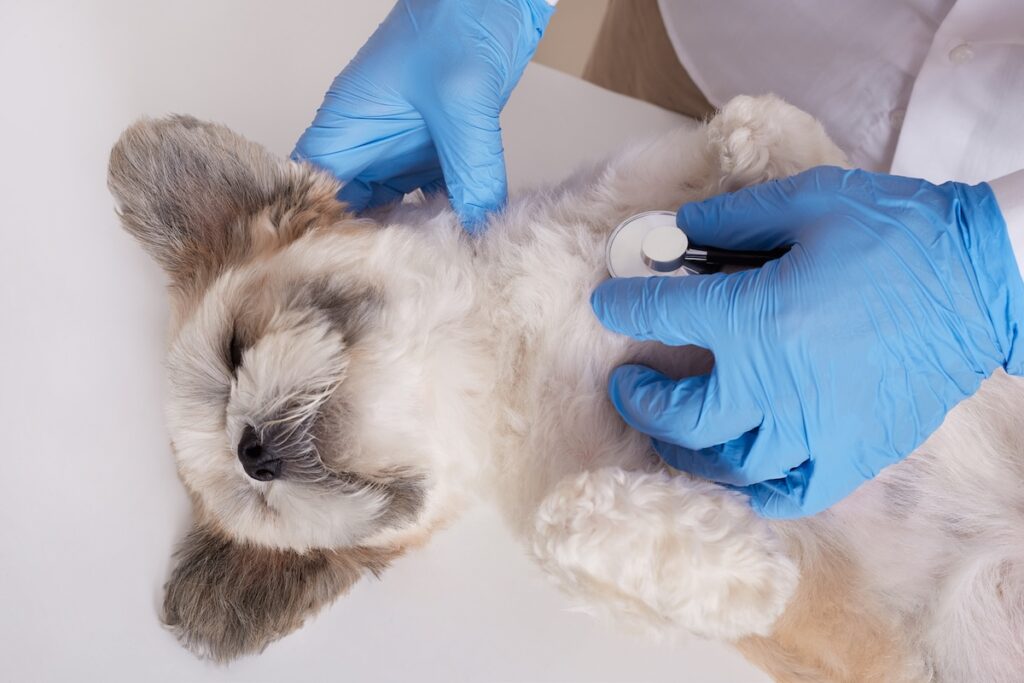
There are several reasons pet owners choose sterilization for dogs, from preventing unwanted pregnancies to reducing the risk of certain reproductive diseases.
1. Prevents Unwanted Pregnancy
One of the most straightforward benefits of dog sterilization is preventing accidental pregnancies.
A female dog can become pregnant during her reproductive cycle, and accidental mating can happen quickly even when owners are careful.
Sterilization provides a permanent way to prevent reproduction and can help reduce the number of unwanted puppies.
2. Helps Prevent Pyometra in Female Dogs
For female dogs, one of the most important health benefits of spaying is preventing pyometra.
Pyometra is a serious infection of the uterus that causes infected fluid and pus to accumulate inside the reproductive tract. If left untreated, it can progress to severe systemic infection and become life-threatening.
Because spaying removes the uterus, it eliminates the possibility of developing uterine pyometra.
3. Reduces the Risk of Certain Reproductive Diseases
Sterilization can reduce or eliminate the risk of certain reproductive diseases.
For example, removing the testicles eliminates the risk of testicular cancer in male dogs. Spaying also eliminates diseases affecting the uterus and ovaries.
However, sterilization does not prevent every health condition, so regular veterinary check-ups remain important.
4. May Help With Certain Hormone-Related Behaviours
Some behaviours are influenced by reproductive hormones.
Depending on the individual dog, neutering may reduce behaviours such as roaming, urine marking, or seeking mates. In female dogs, spaying eliminates heat cycles and the behaviours associated with them.
However, sterilization is not a guaranteed solution for behavioural problems. Anxiety, fear, aggression, and learned behaviours may have other causes and may require training or behavioural support.
5. Prevents Heat Cycles in Female Dogs
Female dogs experience heat cycles as part of their reproductive cycle.
During this period, owners may notice behavioural changes, vaginal bleeding, increased attention from male dogs, or attempts to escape and find a mate.
Spaying prevents future heat cycles, which can make reproductive management easier for many households.
What Are the Risks of Dog Sterilization?
Although dog sterilization is a commonly performed procedure, it is still a surgical operation and carries some risks.
Possible complications include:
- Reaction to anaesthesia
- Bleeding
- Infection
- Swelling around the surgical site
- Delayed wound healing
- Post-operative pain
- Rare surgical complications
The overall risk depends on factors such as your dog’s age, health, weight, breed, and whether the dog has an existing medical condition.
This is why a veterinary assessment before surgery is important.
Is Dog Sterilization Safe?
For most healthy dogs, sterilization is considered a routine surgical procedure. However, routine does not mean risk-free.
Before surgery, your veterinarian may perform a physical examination and recommend blood tests to assess your dog’s health and identify potential concerns with anaesthesia or surgery.
Older dogs or dogs with underlying health conditions may require additional evaluation before undergoing sterilization.
When Should You Sterilize Your Dog?
There is no single age that is appropriate for every dog.
The ideal timing can depend on:
- Breed
- Adult body size
- Sex
- Age
- Growth stage
- Existing medical conditions
- Lifestyle
- Whether the dog is intended for breeding
Some dogs may be sterilized when they are relatively young, while others may benefit from waiting until they are more mature.
Rather than choosing an age based only on a general recommendation, discuss your dog’s individual circumstances with a veterinarian.
Can Older Dogs Be Sterilized?
Yes. Older dogs can still undergo sterilization, but their health should be assessed carefully beforehand.
A veterinarian may recommend blood tests or additional diagnostic checks to determine whether the dog is fit for anaesthesia and surgery.
Age alone does not necessarily mean a dog cannot be sterilized, but older patients may require more careful planning and monitoring.
What Happens Before Dog Sterilization?
Before the procedure, your veterinarian will typically examine your dog and discuss their medical history.
Depending on your dog’s age and health, pre-operative blood testing may be recommended.
The veterinarian may also provide instructions about:
- When your dog should stop eating before surgery
- When water should be withheld
- Medications your dog should or should not take
- What to bring to the clinic
- What to expect after the procedure
Following these instructions carefully helps prepare your dog for surgery and reduce avoidable risks.
What Happens During Dog Sterilization?
Dog sterilization is performed under general anaesthesia so your dog remains unconscious and does not feel the surgical procedure.
For female dogs, the veterinarian makes an abdominal incision to access and remove the reproductive organs.
For male dogs, an incision is made to remove the testicles.
The exact surgical technique can vary depending on the patient’s anatomy, health, and the veterinarian’s approach.
After the procedure, your dog is monitored while recovering from anaesthesia.
What to Expect After Dog Sterilization
Your dog may be sleepy or less active during the first day after surgery because of the anaesthetic and medication.
It is normal for appetite and activity levels to be temporarily reduced, but your veterinarian will provide specific instructions based on your dog’s condition.
During recovery, you may need to:
- Keep the surgical wound clean and dry
- Prevent your dog from licking or biting the incision
- Limit running and jumping
- Give prescribed medication as directed
- Monitor the incision for changes
- Attend the recommended follow-up appointment
Even if your dog seems to feel better quickly, the tissues still need time to heal. Avoid strenuous activity until your veterinarian confirms that normal activity can resume.
How Much Does Dog Sterilization Cost in Singapore?
The dog sterilization cost in Singapore can vary depending on several factors, so there is no single price that applies to every dog.
Factors that may affect the final Dog Sterilization Cost include:
- Whether the dog is male or female
- Dog’s size and weight
- Age and overall health
- Pre-operative blood tests
- Type of anaesthesia and monitoring
- Surgical complexity
- Medication
- Post-operative care
- Follow-up consultations
Female dog sterilization can involve a more extensive abdominal procedure than male neutering, which may affect the cost.
When comparing prices, ask what is included in the quoted fee rather than looking only at the surgery price. Some clinics may quote separately for blood tests, medication, anaesthesia, or follow-up care.
What Is Included in Dog Sterilization Cost?
Before booking the procedure, ask your veterinary clinic whether the quoted dog sterilization cost includes:
- Pre-surgical examination
- Blood tests
- Anaesthesia
- Surgical procedure
- Monitoring during recovery
- Pain medication
- Post-operative medication
- Follow-up consultation
This gives you a clearer idea of the total cost and helps avoid unexpected charges.
For an accurate dog sterilization cost in Singapore, speak directly with your veterinary clinic because the price can vary according to your dog’s individual needs.
Dog Sterilization vs Spaying and Neutering: What’s the Difference?
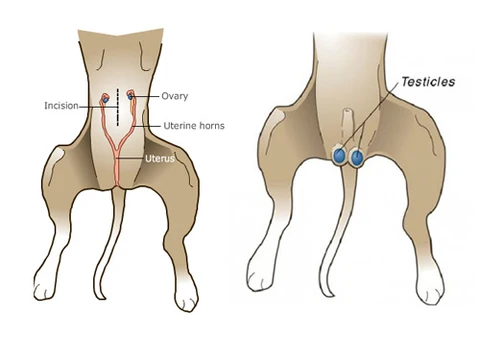
These terms can be confusing for new pet owners.
Dog sterilization is the general term for permanently preventing reproduction.
Spaying generally refers to sterilization of a female dog, while neutering generally refers to sterilization of a male dog.
So, if you are searching for “spay or neuter a dog,” you are essentially looking at the two main types of dog sterilization.
The appropriate procedure depends on whether your dog is male or female.
Does Every Dog Need to Be Sterilized?
Not necessarily. The decision should be made based on the individual dog and discussed with a veterinarian.
If you are not planning to breed your dog, sterilization can offer important benefits, particularly in preventing unwanted pregnancies and certain reproductive diseases.
However, factors such as breed, age, health, lifestyle, and reproductive plans should be considered before deciding when or whether to proceed.
Your veterinarian can help you weigh the potential benefits and risks for your specific dog.
Frequently Asked Questions About Dog Sterilization
Is dog sterilization safe?
For most healthy dogs, sterilization is a commonly performed procedure. However, because it involves general anaesthesia and surgery, there are potential risks. A pre-operative veterinary assessment helps identify and manage these risks.
What is the best age to sterilize a dog?
There is no universal age that works for every dog. The ideal timing depends on factors such as breed, size, sex, health, and lifestyle. A veterinarian can recommend an appropriate time for your dog.
How long does a dog take to recover from sterilization?
Many dogs begin feeling more comfortable within a few days, but complete healing takes longer. Activity should usually be restricted during the initial recovery period to protect the surgical site.
Does sterilization change a dog’s personality?
Sterilization does not completely change a dog’s personality. However, some hormone-related behaviours may decrease after the procedure. Behavioural changes vary between individual dogs.
How much does dog sterilization cost in Singapore?
The cost varies depending on factors such as your dog’s sex, size, age, health, pre-operative testing, anaesthesia, medication, and surgical requirements. Contact your veterinary clinic for an individual estimate.
Where can I get dog sterilization in Singapore?
Dog owners looking for dog sterilization in Singapore can consult a veterinary clinic for an assessment and personalized recommendation. At My Family Vet, our veterinary team can assess your dog’s health and discuss whether sterilization is appropriate for their individual needs.
Dog Sterilization at My Family Vet
Considering dog sterilization in Singapore? At My Family Vet, our veterinary team provides consultations and surgical care to help pet owners make informed decisions about sterilization.
Before the procedure, our team can assess your dog’s health, discuss the potential benefits and risks, and advise on appropriate preparation and aftercare.
My Family Vet also provides other veterinary services, including vaccinations, emergency veterinary care, health checks, pet DNA testing, sterilization, and other preventive and medical treatments.
If you would like to know more about dog sterilization cost in Singapore or whether sterilization is suitable for your dog, contact My Family Vet to discuss your dog’s individual needs.